
The Best Diet for a Breastfeeding Baby with a Suspected Allergy
Dec 02, 2025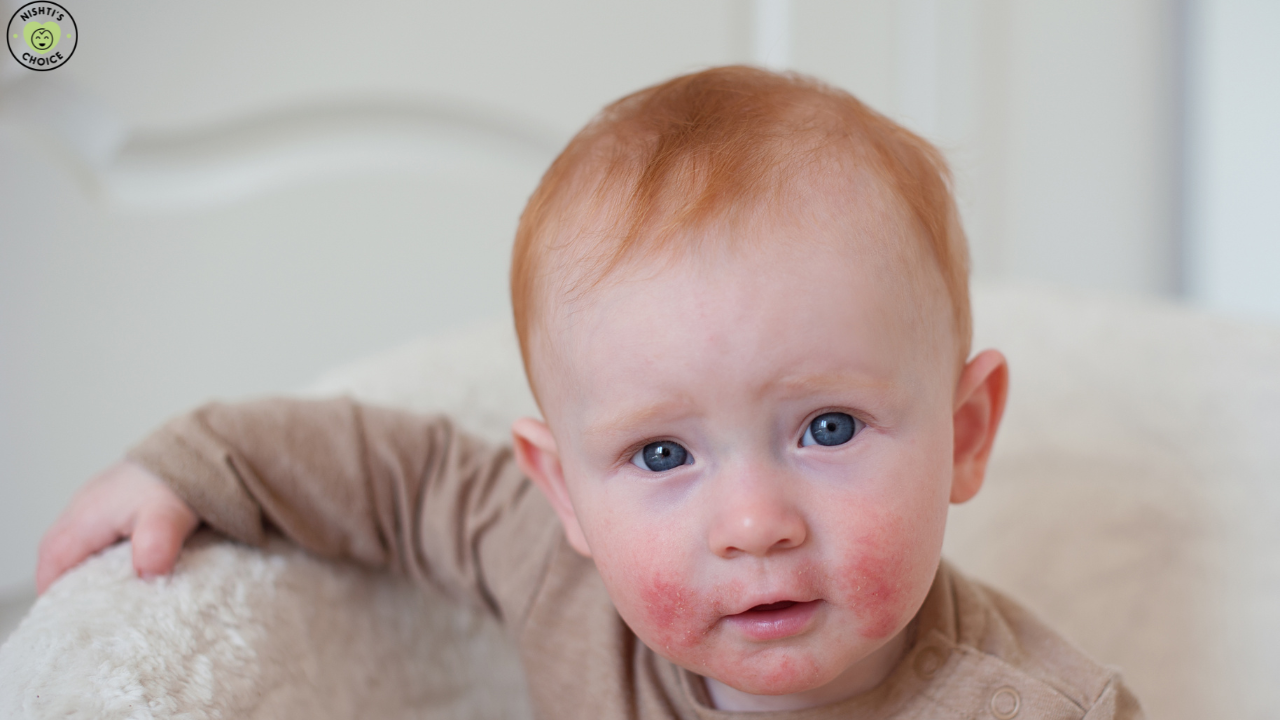
Watching your baby struggle with colic, diarrhoea, or eczema can be stressful and confusing. You may find yourself asking, Could this be a milk allergy? And what should I eat while breastfeeding to help my baby? The good news is that with the right approach, you can support both your baby’s comfort and your own health.
Babies with suspected allergies often show subtle signs. They might be unusually fussy, have trouble settling, show rashes or eczema, or have changes in their stools, such as diarrhoea or mucus. These signs don’t automatically mean your baby has an allergy—but they are important clues to guide the next steps.
Evidence-Based Approach
The iMAP (International Milk Allergy in Primary Care) guidelines are the most widely used framework for managing suspected cow’s-milk protein allergy (CMPA) in infants. They recommend that if CMPA is suspected, breastfeeding mothers try a strict dairy-free diet for 2–4 weeks while continuing to breastfeed. During this period, it’s important to track both what you eat and how your baby responds, because this observation is key to understanding potential triggers.
After the elimination period, dairy is gradually reintroduced under professional guidance. This step confirms whether cow’s milk protein is truly causing symptoms, preventing unnecessary long-term dietary restrictions. Studies show that this elimination and reintroduction process improves gastrointestinal symptoms, eczema, and overall baby comfort, while minimizing over-diagnosis.
In more severe cases, other allergens—such as soy or even eggs—may need to be temporarily removed, but only under the supervision of a healthcare professional to ensure both maternal and infant nutrition remain adequate.
Meet Matilda:
Matilda is a three-month-old baby we recently saw. Her parents were worried because she had colic, frequent diarrhoea with mucus, and had started developing eczema on her cheeks and arms. They were overwhelmed and unsure whether their diet could be affecting her.
Following iMAP guidance, we recommended a two-week maternal dairy elimination while continuing breastfeeding. With careful observation, Matilda’s colic improved, the mucus in her stools reduced, and her eczema began to settle. Her mother felt reassured, knowing she was helping her baby without compromising her own nutrition. After the elimination period, a guided reintroduction of dairy was planned to confirm the diagnosis and ensure Matilda wouldn’t remain on unnecessary dietary restrictions.
Supporting Both Mom and Baby
A breastfeeding-friendly diet for a baby with suspected allergy should support both the infant and the mother. This means maintaining adequate calcium, vitamin D, and protein intake, while reducing likely food allergens. Keeping a simple food and symptom diary helps parents and professionals spot patterns and make informed decisions.
It’s also important to recognize the emotional strain. Many parents feel anxious or guilty when their baby is unsettled. Remember, your calm and confidence can positively influence your baby, and seeking support from a dietitian, paediatrician, or parent community can make this journey easier.
When to Seek Urgent Help
While most symptoms are manageable, contact a doctor immediately if your baby shows signs of a severe reaction, such as difficulty breathing, swelling of the face or lips, repeated vomiting with dehydration, or extreme lethargy.
Conclusion
Breastfeeding a baby with a suspected allergy can feel challenging, but with careful observation, evidence-based elimination and reintroduction, and professional support, both mom and baby can thrive. Following iMAP guidelines ensures that decisions are informed, safe, and tailored to your baby’s needs, while avoiding unnecessary restrictions.
Remember, you are not alone. Support, guidance, and careful planning can make this journey smoother, healthier, and more reassuring—for both you and your baby.
Hear from parents like you, breastfeeding an allergy baby. Watch here.